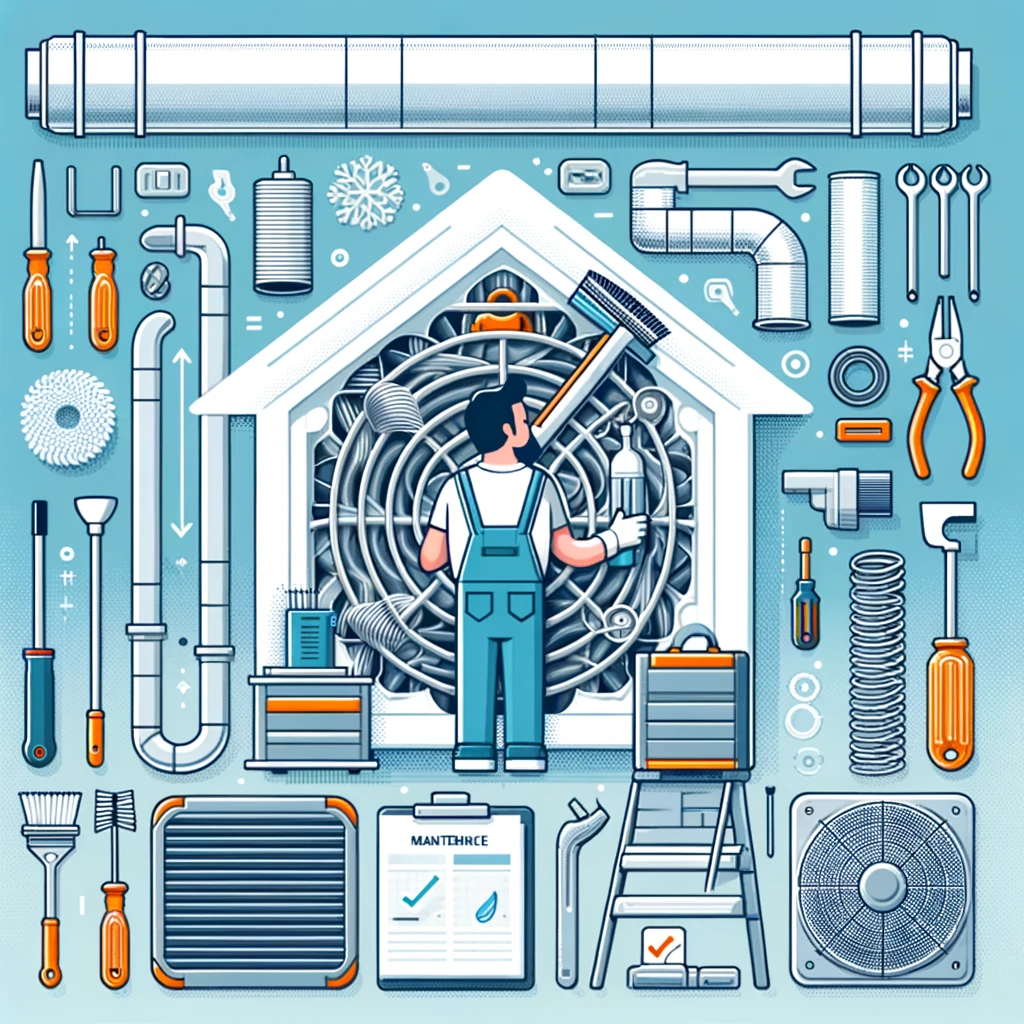
Maintaining your HVAC system is crucial for ensuring it operates efficiently and lasts as long as possible. Regular maintenance can prevent costly repairs and improve the overall performance of your system. Here are some simple DIY HVAC maintenance tips from [company_name] that homeowners can follow to keep their systems in top shape.
1. Regularly Change Air Filters
Why It’s Important
Air filters trap dust, dirt, and other particles, preventing them from entering your HVAC system. A clogged filter can restrict airflow, reduce efficiency, and cause your system to work harder than necessary.
How to Do It
- Locate the Air Filter: Typically found in the return air duct or the blower compartment.
- Check the Filter Monthly: Inspect the filter every month, especially during heavy use periods.
- Replace or Clean: Replace disposable filters every 1-3 months. Clean reusable filters according to the manufacturer’s instructions.
2. Clean the Coils
Why It’s Important
Dirty coils reduce the efficiency of your HVAC system by impeding heat transfer. This forces your system to work harder to cool or heat your home.
How to Do It
- Turn Off the Power: Ensure the HVAC system is off before cleaning.
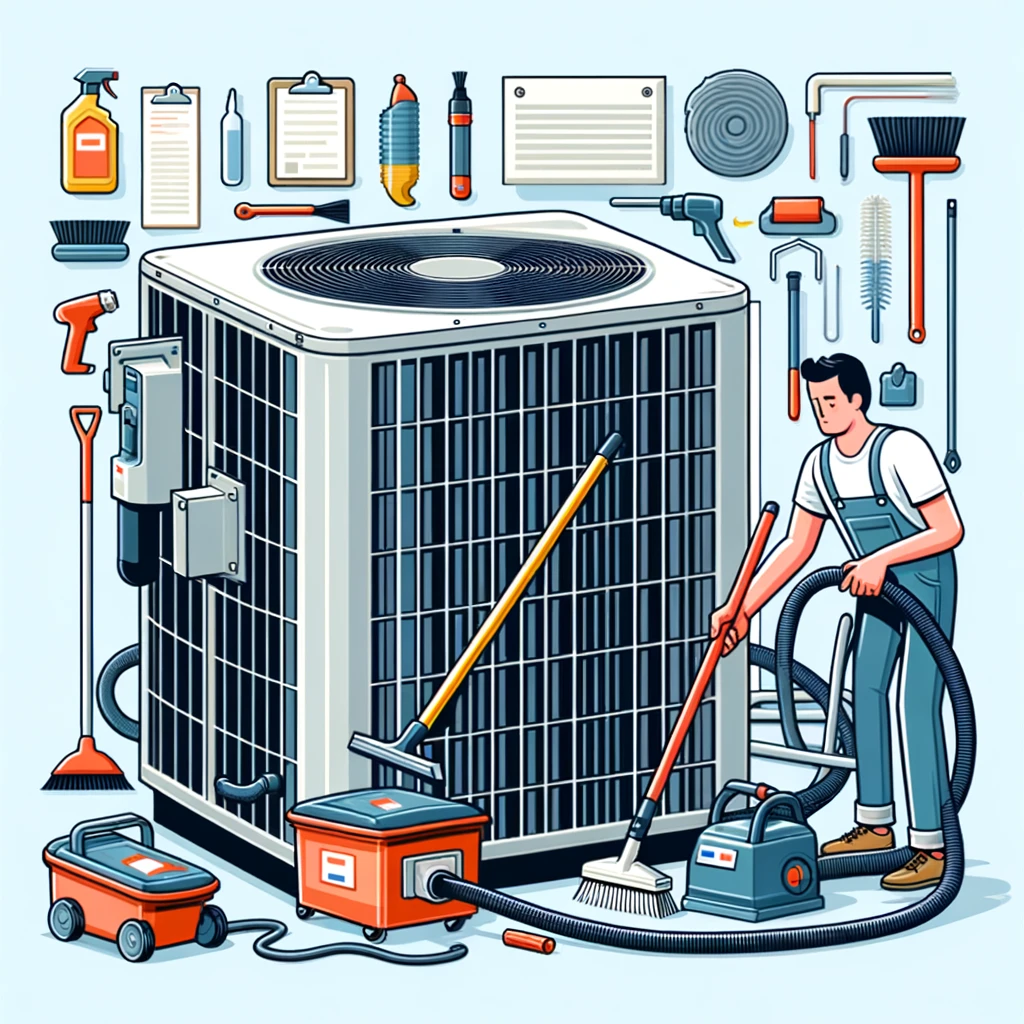
- Access the Coils: Locate the evaporator coil inside the indoor unit and the condenser coil in the outdoor unit.
- Clean the Coils: Use a soft brush or a vacuum to remove dust and debris. For stubborn dirt, use a coil cleaner spray.
3. Inspect the Thermostat
Why It’s Important
A properly functioning thermostat ensures your HVAC system maintains the desired temperature efficiently.
How to Do It
- Check the Settings: Ensure your thermostat is set to the correct mode (cooling or heating) and the temperature settings are accurate.
- Calibrate If Necessary: If the thermostat doesn’t reflect the actual room temperature, recalibrate or replace it.
- Upgrade to a Smart Thermostat: Consider upgrading to a programmable or smart thermostat for better control and energy savings.
4. Clear the Area Around the Outdoor Unit
Why It’s Important
The outdoor unit needs adequate airflow to function properly. Debris around the unit can obstruct airflow and reduce efficiency.
How to Do It
- Remove Debris: Clear away leaves, dirt, and other debris from around the unit.
- Trim Vegetation: Ensure at least two feet of clearance around the unit by trimming bushes and plants.
5. Check and Clean the Condensate Drain
Why It’s Important
The condensate drain removes the moisture your HVAC system extracts from the air. A clogged drain can cause water damage and increase humidity levels indoors.
How to Do It
- Locate the Drain Line: Typically found near the indoor cooling coil.
- Inspect for Clogs: Check for any visible blockages.
- Clean the Drain Line: Use a wet/dry vacuum or a stiff brush to clear any clogs. For stubborn blockages, a mixture of vinegar and water can help.
6. Inspect and Seal Ductwork
Why It’s Important
Leaky ducts can lead to significant energy loss and reduced efficiency, causing higher energy bills.
How to Do It
- Visual Inspection: Look for visible signs of damage or disconnected sections.
- Seal Leaks: Use duct tape or mastic sealant to fix any leaks. Focus on joints and connections.
- Professional Inspection: For a thorough inspection and sealing, consider hiring a professional from [company_name].
7. Maintain Proper Humidity Levels
Why It’s Important
Proper humidity levels improve comfort and prevent issues like mold growth and dust mites.
How to Do It
- Use a Humidifier: In dry climates or during winter, use a humidifier to add moisture to the air.
- Use a Dehumidifier: In humid climates or during summer, use a dehumidifier to reduce excess moisture.
8. Test Carbon Monoxide Detectors
Why It’s Important
Carbon monoxide is a colorless, odorless gas that can be deadly. HVAC systems that use gas can produce carbon monoxide if not functioning properly.
How to Do It
- Install Detectors: Place carbon monoxide detectors near sleeping areas and on every level of your home.
- Test Regularly: Press the test button to ensure the detectors are working correctly.
- Replace Batteries: Change the batteries at least once a year.
9. Schedule Professional Maintenance
Why It’s Important
While DIY maintenance is essential, professional inspections and tune-ups ensure your system is operating at peak efficiency and can catch potential issues early.
What to Expect
- Comprehensive Inspection: A technician from [company_name] will inspect all components of your HVAC system.
- Cleaning and Adjustments: Necessary parts will be cleaned, and adjustments will be made to optimize performance.
- Refrigerant Check: The technician will check refrigerant levels and top them off if necessary.
10. Keep Registers and Vents Clean
Why It’s Important
Clean vents and registers ensure proper airflow and prevent dust from recirculating in your home.
How to Do It
- Vacuum Regularly: Use a vacuum with a brush attachment to clean vents and registers.
- Wipe Down Surfaces: Use a damp cloth to wipe away dust and dirt.
- Avoid Obstructions: Ensure furniture and other objects are not blocking vents.
11. Check for Unusual Noises
Why It’s Important
Strange noises from your HVAC system can indicate potential issues that need to be addressed.
How to Do It
- Listen Carefully: Pay attention to any unusual sounds like banging, clanking, or hissing.
- Identify the Source: Try to locate where the noise is coming from.
- Call a Professional: If you hear any unusual noises, contact [company_name] to diagnose and fix the problem.
12. Monitor Energy Bills
Why It’s Important
A sudden increase in energy bills can indicate that your HVAC system is not operating efficiently.
How to Do It
- Track Your Bills: Keep an eye on your monthly energy bills.
- Compare Usage: Compare your current usage with the same period from the previous year.
- Investigate Increases: If you notice a significant increase, it might be time to inspect your system or schedule a professional maintenance check.
13. Adjust Your Thermostat Settings
Why It’s Important
Proper thermostat settings can improve efficiency and reduce energy costs.
How to Do It
- Set a Comfortable Temperature: Find a balance between comfort and energy savings. In winter, set your thermostat to 68°F (20°C) when you’re home and lower when you’re away. In summer, set it to 78°F (26°C) when you’re home and higher when you’re away.
- Use Programmable Features: If you have a programmable thermostat, set it to adjust temperatures based on your schedule.
14. Inspect Insulation
Why It’s Important
Proper insulation helps maintain indoor temperatures and reduces the workload on your HVAC system.
How to Do It
- Check Attic and Walls: Ensure your attic and walls are properly insulated.
- Seal Gaps: Use weatherstripping and caulk to seal gaps around windows and doors.
15. Educate Household Members
Why It’s Important
Ensuring everyone in your household understands how to maintain the HVAC system can help prevent issues and improve efficiency.
How to Do It
- Share Best Practices: Teach family members how to change filters, adjust the thermostat, and listen for unusual noises.
- Encourage Regular Checks: Make it a habit for everyone to regularly check vents, filters, and thermostat settings.
16. Consider an Energy Audit
Why It’s Important
An energy audit can identify areas where your home is losing energy and suggest improvements.
How to Do It
- Professional Audit: Hire a professional from [company_name] to conduct an energy audit.
- DIY Audit: Use online tools and resources to conduct a basic energy audit yourself.
17. Use Window Treatments
Why It’s Important
Window treatments can help regulate indoor temperatures by blocking sunlight in the summer and retaining heat in the winter.
How to Do It
- Install Blinds or Shades: Use blinds or shades to block direct sunlight during hot days.
- Use Insulated Curtains: In winter, use insulated curtains to retain heat and reduce drafts.
18. Optimize Ceiling Fans
Why It’s Important
Ceiling fans can help distribute air more evenly, reducing the workload on your HVAC system.
How to Do It
- Adjust Fan Direction: In summer, set ceiling fans to spin counterclockwise to create a cooling breeze. In winter, set them to spin clockwise to circulate warm air.
- Use in Conjunction with HVAC: Use ceiling fans to help distribute conditioned air more effectively, allowing you to set your thermostat higher in summer and lower in winter.
19. Upgrade Your System
Why It’s Important
If your HVAC system is more than 10-15 years old, upgrading to a newer, more efficient model can save money and improve comfort.
How to Do It
- Consult a Professional: Contact [company_name] to discuss options for upgrading your HVAC system.
- Consider Energy-Efficient Models: Look for models with high SEER ratings and Energy Star certifications.
- Explore Financing Options: Many companies offer financing plans to make upgrades more affordable.
20. Clean and Inspect the Blower
Why It’s Important
The blower in your HVAC system circulates air through your home. A dirty or malfunctioning blower can reduce efficiency and lead to system breakdowns.
How to Do It
- Turn Off the Power: Ensure the HVAC system is off before inspecting the blower.
- Remove Dust and Debris: Use a vacuum or a soft brush to clean the blower blades and housing.
- Check for Wear and Tear: Inspect the blower motor and belt for signs of wear. Replace any worn parts as necessary.
21. Monitor Refrigerant Levels
Why It’s Important
Proper refrigerant levels are essential for the efficient operation of your air conditioning system. Low levels can indicate a leak and reduce cooling efficiency.
How to Do It
- Check for Signs of Low Refrigerant: Symptoms include reduced cooling output, ice buildup on the coils, and hissing noises.
- Call a Professional: If you suspect low refrigerant levels, contact [company_name] to inspect and recharge your system.
22. Optimize Airflow
Why It’s Important
Proper airflow ensures your HVAC system operates efficiently and evenly distributes conditioned air throughout your home.
How to Do It
- Check Vents and Registers: Make sure all vents and registers are open and unobstructed.
- Inspect Ducts: Ensure ducts are properly sealed and free of obstructions.
- Balance Dampers: Adjust the dampers in your ductwork to direct airflow where it’s needed most.
23. Inspect Electrical Connections
Why It’s Important
Faulty electrical connections can cause your HVAC system to malfunction and pose safety hazards.
How to Do It
- Turn Off the Power: Ensure the HVAC system is off before inspecting electrical components.
- Check Connections: Look for loose or corroded wires and terminals.
- Call a Professional: If you’re not comfortable working with electrical components, contact [company_name] for a thorough inspection.
24. Keep Your Outdoor Unit Level
Why It’s Important
An uneven outdoor unit can cause mechanical problems and reduce the efficiency of your HVAC system.
How to Do It
- Check the Level: Use a level to check if the unit is sitting evenly on the ground.
- Adjust as Needed: If the unit is uneven, adjust the ground or the base to ensure it sits level.
25. Inspect Insulation on Refrigerant Lines
Why It’s Important
Proper insulation on refrigerant lines prevents energy loss and improves efficiency.
How to Do It
- Visual Inspection: Check the insulation on the refrigerant lines for signs of wear or damage.
- Replace Insulation: If the insulation is damaged, replace it with new foam insulation sleeves.
26. Clean Around the Indoor Unit
Why It’s Important
Keeping the area around your indoor HVAC unit clean prevents dust and debris from entering the system.
How to Do It
- Vacuum and Dust: Regularly clean the area around the indoor unit.
- Avoid Clutter: Keep the space clear of boxes, furniture, and other items that could obstruct airflow.
27. Inspect for Pests
Why It’s Important
Pests can cause damage to your HVAC system by chewing wires or nesting in ducts.
How to Do It
- Look for Signs of Pests: Check for droppings, nests, or chewed wires.
- Seal Entry Points: Use caulk or mesh to seal any gaps or openings where pests could enter.
- Call Pest Control: If you find evidence of pests, contact a pest control professional to address the issue.
28. Clean the Heat Exchanger
Why It’s Important
A dirty heat exchanger can reduce the efficiency of your furnace and pose safety risks.
How to Do It
- Turn Off the Power: Ensure the HVAC system is off before cleaning the heat exchanger.
- Inspect for Cracks: Check the heat exchanger for cracks or damage.
- Clean the Surface: Use a soft brush or vacuum to remove dust and debris from the heat exchanger.
29. Keep an HVAC Maintenance Log
Why It’s Important
Tracking your maintenance activities helps you stay on top of necessary tasks and ensures nothing is overlooked.
How to Do It
- Record Maintenance Tasks: Log each maintenance activity, including the date and what was done.
- Schedule Reminders: Set reminders for future maintenance tasks, such as filter changes and professional inspections.
30. Educate Yourself on Your System
Why It’s Important
Understanding how your HVAC system works can help you identify potential issues and maintain it more effectively.
How to Do It
- Read the Manual: Review the owner’s manual for your HVAC system to understand its components and maintenance requirements.
- Learn Basic Troubleshooting: Familiarize yourself with common HVAC problems and their solutions.
- Stay Informed: Follow [company_name]’s blog and other reputable sources for tips and updates on HVAC maintenance.
By following these comprehensive DIY HVAC maintenance tips, you can ensure your system operates efficiently, extends its lifespan, and reduces the need for costly repairs. Regular maintenance not only improves performance but also enhances comfort and indoor air quality. For professional assistance, maintenance services, or any HVAC-related inquiries, contact [company_name] today. Our experts are here to help you keep your HVAC system in top shape.