As summer approaches, it’s crucial to ensure your HVAC system is ready to handle the heat. Proper maintenance can prevent breakdowns, improve efficiency, and keep your home comfortable throughout the hottest months. Here are some essential tips from [company_name] to help you prepare your HVAC system for summer.
Inspect and Clean or Replace Air Filters
Why It’s Important
Air filters play a critical role in maintaining indoor air quality and ensuring your HVAC system runs efficiently. Dirty or clogged filters can restrict airflow, causing your system to work harder and increasing energy consumption.
How to Do It
- Locate Your Air Filter: Typically found in the return air duct or the blower compartment.
- Inspect the Filter: Hold it up to a light source. If you can’t see light through it, it’s time for a replacement.
- Replace or Clean: Depending on your filter type, either replace it with a new one or clean it if it’s reusable.
Check and Clean the Outdoor Unit
Why It’s Important
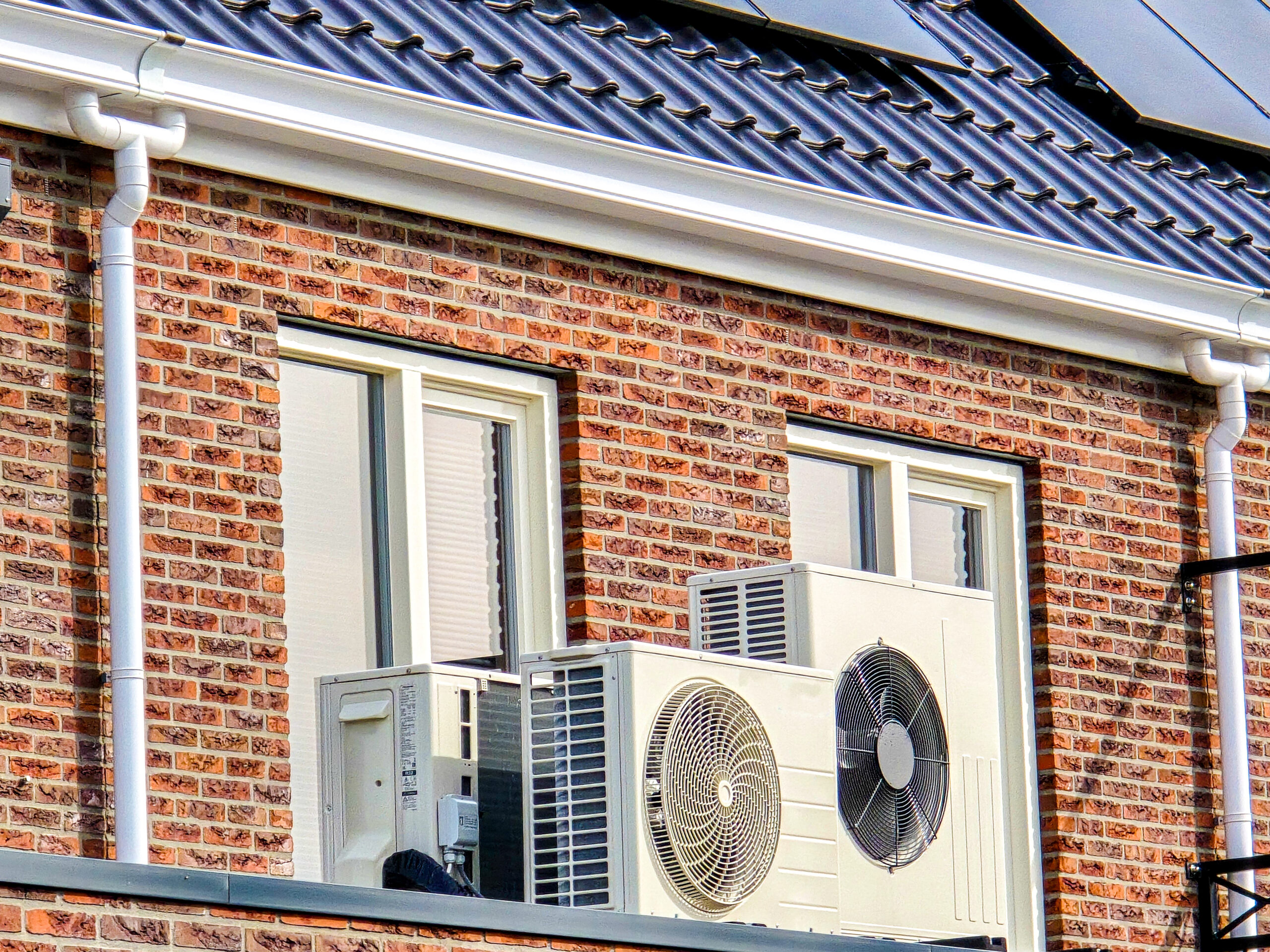
The outdoor unit, also known as the condenser, can accumulate dirt, leaves, and debris over time. This can obstruct airflow and reduce the unit’s efficiency.
How to Do It
- Turn Off the Power: Ensure the power to the unit is off before starting any cleaning.
- Remove Debris: Clear away leaves, dirt, and other debris from around the unit.
- Clean the Fins: Use a soft brush or a vacuum to gently clean the fins. Be careful not to damage them.
Inspect the Refrigerant Lines
Why It’s Important
Refrigerant lines are essential for your HVAC system’s cooling function. Leaks or damage can significantly reduce efficiency and lead to costly repairs.
How to Do It
- Visual Inspection: Look for signs of wear, damage, or leaks along the refrigerant lines.
- Call a Professional: If you notice any issues, contact [company_name] to have a certified technician inspect and repair the lines.
Test the Thermostat
Why It’s Important
A properly functioning thermostat ensures your HVAC system maintains the desired temperature efficiently.
How to Do It
- Check the Settings: Ensure your thermostat is set to “cool” mode and the temperature settings are correct.
- Calibrate If Necessary: If the temperature doesn’t match the actual room temperature, recalibrate the thermostat or replace it with a programmable or smart thermostat.
Inspect the Ductwork
Why It’s Important
Leaky or damaged ductwork can lead to significant energy loss and reduced cooling efficiency.
How to Do It
- Visual Inspection: Look for visible signs of damage, such as holes or disconnected sections.
- Seal Leaks: Use duct tape or mastic sealant to fix any leaks.
- Call a Professional: For a thorough inspection and repair, contact [company_name].
Schedule a Professional Maintenance Service
Why It’s Important
Regular professional maintenance can catch potential issues early and ensure your system runs efficiently all summer.
What to Expect
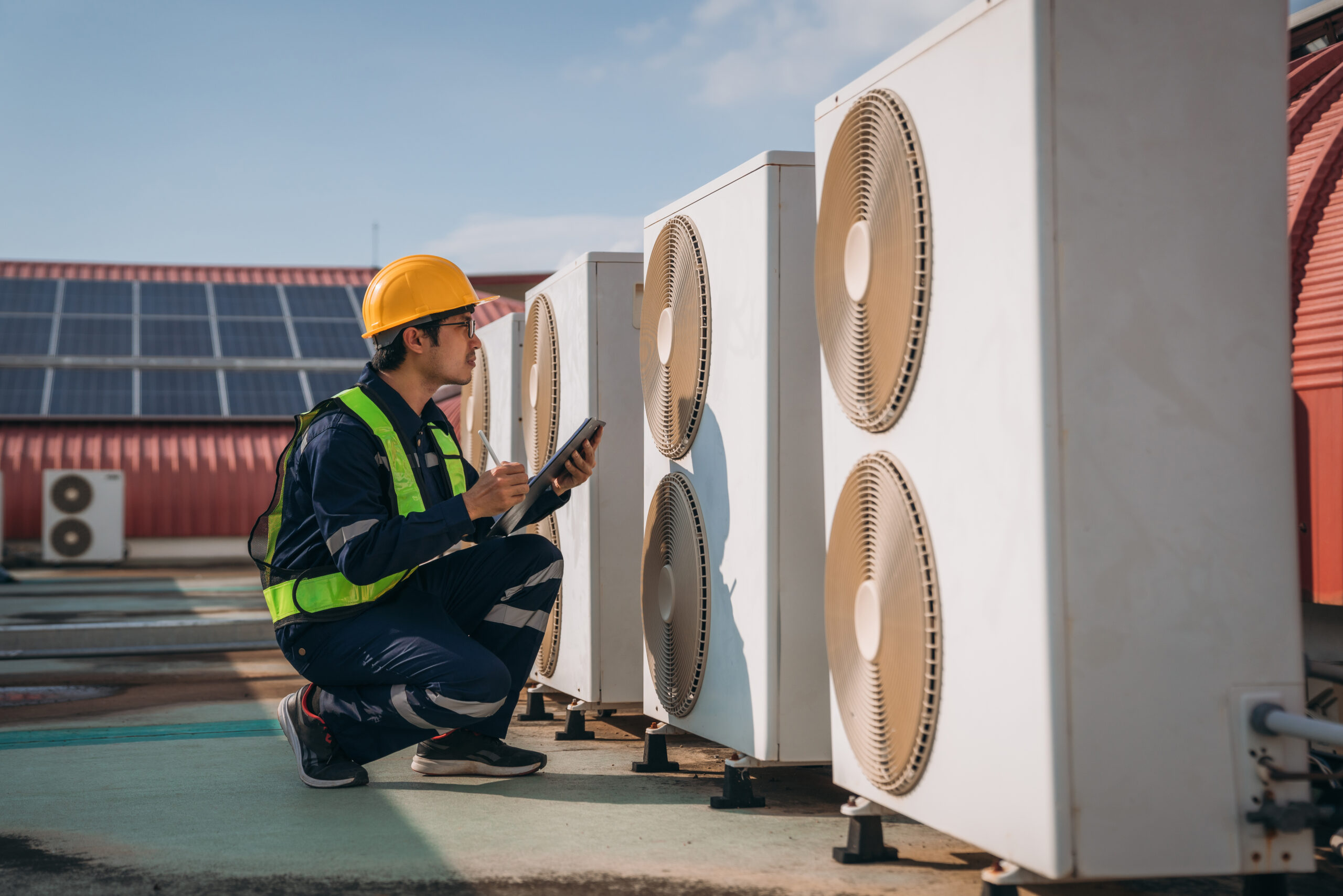
- Comprehensive Inspection: A professional technician from [company_name] will inspect all components of your HVAC system.
- Cleaning and Tuning: The technician will clean necessary parts and make adjustments to optimize performance.
- Refrigerant Check: They will check the refrigerant levels and top them off if necessary.
Upgrade Your Thermostat
Why It’s Important
Modern thermostats, like programmable and smart thermostats, offer advanced features that enhance comfort and efficiency.
Benefits
- Energy Savings: Automatically adjust temperatures based on your schedule to save energy.
- Remote Control: Control your HVAC system from your smartphone, even when you’re not home.
- Enhanced Comfort: Maintain optimal temperatures with minimal effort.
Ensure Proper Insulation
Why It’s Important
Proper insulation helps keep the cool air inside your home, reducing the workload on your HVAC system.
How to Do It
- Inspect Insulation: Check your attic, walls, and floors for adequate insulation.
- Seal Gaps: Use weatherstripping or caulk to seal gaps around doors and windows.
Clean and Clear Vents and Registers
Why It’s Important
Blocked or dirty vents and registers can restrict airflow, causing your HVAC system to work harder and less efficiently. This not only reduces cooling efficiency but also increases your energy bills.
How to Do It
- Remove Obstructions: Ensure that furniture, curtains, and other objects are not blocking vents and registers.
- Clean the Vents: Use a vacuum cleaner or a brush to remove dust and debris from the vents and registers.
- Professional Cleaning: For thorough cleaning, consider scheduling a professional vent cleaning service with [company_name].
Check the Condensate Drain
Why It’s Important
The condensate drain allows the moisture collected from your home to be expelled outside. If the drain is clogged, it can cause water damage and increase humidity levels indoors.
How to Do It
- Locate the Drain Line: Typically, the drain line is located near the indoor cooling coil, attached to the HVAC unit.
- Inspect for Clogs: Check for any visible clogs or blockages.
- Clear the Drain: Use a wet/dry vacuum to remove clogs or a stiff brush to clean the line. For stubborn clogs, contact [company_name] for professional assistance.
Inspect the Fan and Blower
Why It’s Important
The fan and blower are essential components of your HVAC system that help circulate air throughout your home. Proper function is crucial for maintaining comfortable indoor temperatures.
How to Do It
- Turn Off the Power: Ensure the HVAC system is turned off before inspecting.
- Check for Wear and Tear: Look for signs of wear on the fan blades and blower.
- Clean the Components: Use a soft cloth to wipe away dust and debris.
- Call a Professional: If you notice any damage or unusual noise, contact [company_name] for a thorough inspection and repair.
Examine the Thermostat Wiring
Why It’s Important
Faulty wiring can lead to thermostat malfunctions, affecting your HVAC system’s performance.
How to Do It
- Turn Off the Power: Ensure the power is off before examining the wiring.
- Inspect for Damage: Look for signs of frayed or damaged wires.
- Secure Connections: Ensure all wiring connections are secure.
- Professional Inspection: For a detailed inspection, contact [company_name] to check the thermostat wiring and ensure everything is in working order.
Educate Your Household
Why It’s Important
Ensuring everyone in your household understands how to use the HVAC system properly can prevent misuse and maintain efficiency.
How to Do It
- Share Best Practices: Educate family members on setting the thermostat, keeping vents clear, and reporting any issues.
- Encourage Routine Checks: Make it a habit to check filters, vents, and the thermostat regularly.
- Contact [company_name] for Guidance: For more detailed advice and tips, schedule a consultation with our experts.
By following these comprehensive tips, you can ensure your HVAC system is ready to handle the summer heat efficiently and effectively. Proper preparation and maintenance not only enhance comfort but also extend the life of your system and reduce energy costs. For professional assistance, maintenance services, or any HVAC-related inquiries, contact [company_name] today. Stay cool and comfortable with our expert care and reliable services


